

Worldbuilding
Regions
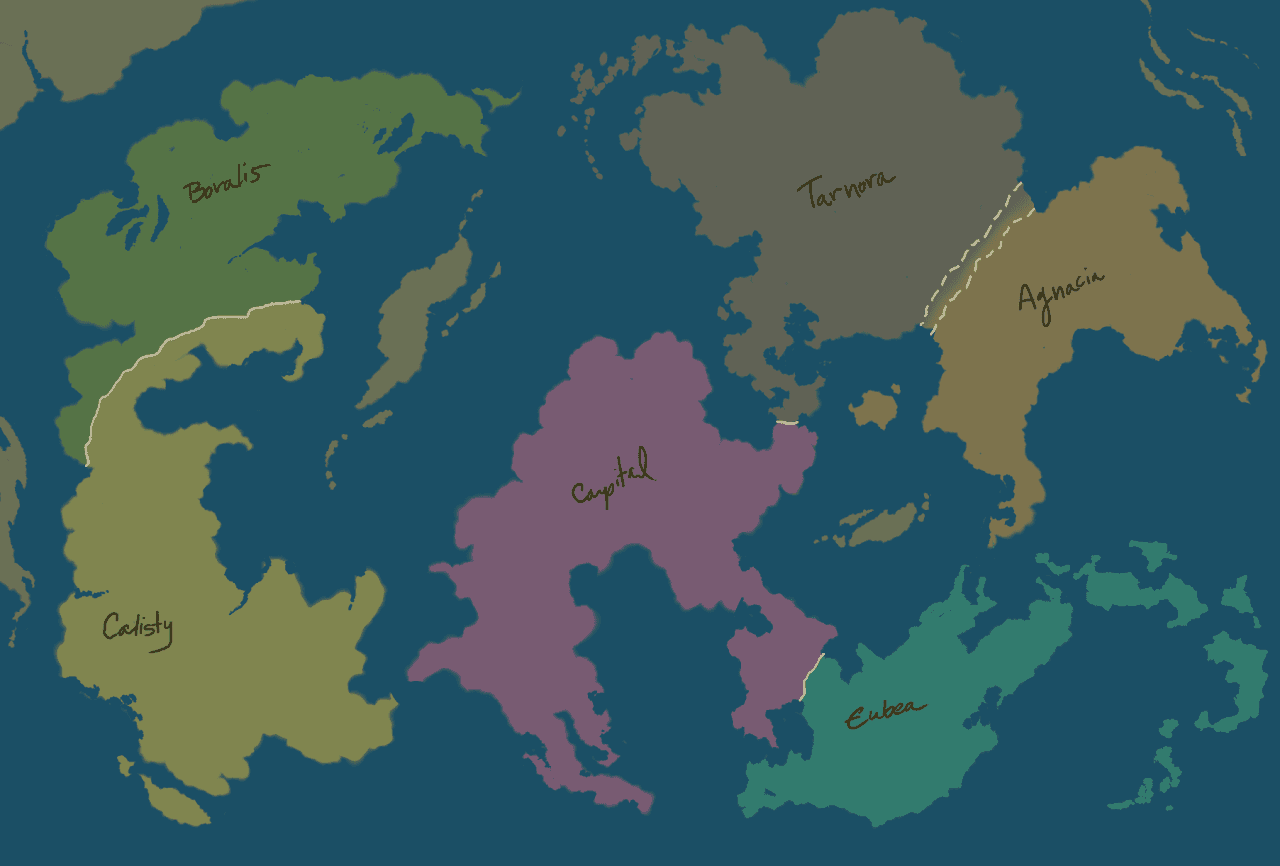
There are 6 regions in this world: Agnacia, the Fire Region; Boralis, The Forest Region; Calisty, The Grasslands Region; Eubea, The Sea Region; Tarnora, The Stone Region; and the Capital. The story mainly focuses on the Capital and Agnacia, with some scenes set in Tarnora.
DISCLAIMER
Photographs used on this page are to represent what this world would look like, using examples from our real world. If the images aren't taken by me, I have tried to find the original photographers, but I wasn't able to find all of them.
Worldbuilding
Regions
There are 6 regions in this world: Agnacia, the Fire Region; Boralis, The Forest Region; Calisty, The Grasslands Region; Eubea, The Sea Region; Tarnora, The Stone Region; and the Capital. The story mainly focuses on the Capital and Agnacia, with some scenes set in Tarnora.
DISCLAIMER
Photographs used on this page are to represent what this world would look like, using examples from our real world. If the images aren't taken by me, I have tried to find the original photographers, but I wasn't able to find all of them.
Table of Contents
Table of Contents
Table of Contents
General Information
REGIONS —> DISTRICTS —> CITIES/TOWNS/VILLAGES/FARMLAND
Human-occupied land is divided into regions based on the resources available there. Regions are divided into districts based on living conditions, imports/exports, border/tribe disputes, weather, and other factors. Each district contains further subdivisions of cities, towns, villages, and/or farmland. It is important to note that size was not a factor in the creation of the regions. Regions were created solely based on natural resources, and are closer in size to some of the largest countries on our Earth.
For example, Agnacia, the Fire Region, specializes in blacksmithing, heating services, metalworking, etc, as the resources in the area made this convenient. The region maintains a very warm temperature year-round and is home to many volcanoes, mineral pools, hot springs, ores, and sunny beaches.
Since each region was built around a specific set of resources, a lot of what a region has to offer to the world will also be focused around those resources. Tourist attractions, entertainment, and education in any given region will likely prioritize the region's resources as it sets them apart from the rest of the world.
In Eubea, the Sea Region, tourists go on whale-watching trips, or enjoy seafood with a view of the waves. Education services available like to focus on practical, useful skills such as fishing, boating, swimming, or cooking.
Each region's government must attend to the needs of its districts to assure that no one falls into starvation or poverty. The job of the regional government is to make sure the region as a whole is healthy, based on if its districts are healthy. The job of the district governments is to attend to the needs of their subdivisions to make sure they are thriving, and report accurate information to the regional government so that the district as a whole is considered healthy. However, this information is largely based on averages and the gap between most regions' wealthiest and poorest districts, and most districts' wealthiest and poorest cities is still far too large.
Moving regions and districts is completely fine, and people do this as freely as we in our world move cities, states/provinces, or countries. However, by moving regions, one will expose themselves to an entirely different way of life, especially in the workforce and education system, due to their new home being focused around an entirely different resource.

DISTRICTS
Districts are numbered based on their age, so the oldest district will always be the 1st. The oldest district also usually contains the capital city of the region.
A region will generally export the most of its goods and have the best infrastructure in its richest district. Generally, since the oldest districts were created around an abundance of resources, they also tend to be the richest. However, this is not always the case, as sometimes a new pocket of resources is found outside of an existing district, which causes a new district to spring up. Additionally, some districts, although being resource-rich, are difficult to get to or live in, causing other more accessible districts to thrive more easily.
Poorer districts export fewer/lesser quality goods because of the resource availability around them, but still exist due to population demands.
General Information
REGIONS —> DISTRICTS —> CITIES/TOWNS/VILLAGES/FARMLAND
Human-occupied land is divided into regions based on the resources available there. Regions are divided into districts based on living conditions, imports/exports, border/tribe disputes, weather, and other factors. Each district contains further subdivisions of cities, towns, villages, and/or farmland. It is important to note that size was not a factor in the creation of the regions. Regions were created solely based on natural resources, and are closer in size to some of the largest countries on our Earth.
For example, Agnacia, the Fire Region, specializes in blacksmithing, heating services, metalworking, etc, as the resources in the area made this convenient. The region maintains a very warm temperature year-round and is home to many volcanoes, mineral pools, hot springs, ores, and sunny beaches.
Since each region was built around a specific set of resources, a lot of what a region has to offer to the world will also be focused around those resources. Tourist attractions, entertainment, and education in any given region will likely prioritize the region's resources as it sets them apart from the rest of the world.
In Eubea, the Sea Region, tourists go on whale-watching trips, or enjoy seafood with a view of the waves. Education services available like to focus on practical, useful skills such as fishing, boating, swimming, or cooking.
Each region's government must attend to the needs of its districts to assure that no one falls into starvation or poverty. The job of the regional government is to make sure the region as a whole is healthy, based on if its districts are healthy. The job of the district governments is to attend to the needs of their subdivisions to make sure they are thriving, and report accurate information to the regional government so that the district as a whole is considered healthy. However, this information is largely based on averages and the gap between most regions' wealthiest and poorest districts, and most districts' wealthiest and poorest cities is still far too large.
Moving regions and districts is completely fine, and people do this as freely as we in our world move cities, states/provinces, or countries. However, by moving regions, one will expose themselves to an entirely different way of life, especially in the workforce and education system, due to their new home being focused around an entirely different resource.
DISTRICTS
Districts are numbered based on their age, so the oldest district will always be the 1st. The oldest district also usually contains the capital city of the region.
A region will generally export the most of its goods and have the best infrastructure in its richest district. Generally, since the oldest districts were created around an abundance of resources, they also tend to be the richest. However, this is not always the case, as sometimes a new pocket of resources is found outside of an existing district, which causes a new district to spring up. Additionally, some districts, although being resource-rich, are difficult to get to or live in, causing other more accessible districts to thrive more easily.
Poorer districts export fewer/lesser quality goods because of the resource availability around them, but still exist due to population demands.
Agnacia
The Fire Region
Specializes in metalworking, blacksmithing, and fine arts to do with heat, metal, and fire. Exports refined gold, silver, and other precious metals, diamonds, heating services, geothermal energy systems, some metals and ores, computer parts, artisan metalwork and tools, some crops, natural gas, and weapons.
Very warm climate. Only ever snows in the mountainous border dividing Agnacia and Tarnora. Lots of beaches to the south of the region, and volcanoes in the more uninhabitable parts in the north and east. Forest fires are common but controlled, and the region has very rich and fertile soil due to the constant regeneration of vegetation and the volcanoes. Lots of hot, sandy, desert-like areas, with forested areas closer to its borders with cooler regions.
Agnacia's industry is closely associated with that of Tarnora's to mine ores, metals, and minerals to do with volcanoes. In the past, this has caused many disputes over land, and has resulted in a somewhat unstable relationship between the two regions and a murky no-man's-land at the border.
Agnacia is renowned throughout the regions for its architecture, made to withstand the heat without using excessive energy. Due to its abundance of sun, almost all the energy Agnacia uses is solar, and its buildings are built with an emphasis on natural cooling and light.
Characters from Agnacia
Cassius, Nathaniel, Ellison
Agnacia
The Fire Region
Specializes in metalworking, blacksmithing, and fine arts to do with heat, metal, and fire. Exports refined gold, silver, and other precious metals, diamonds, heating services, geothermal energy systems, some metals and ores, computer parts, artisan metalwork and tools, some crops, natural gas, and weapons.
Very warm climate. Only ever snows in the mountainous border dividing Agnacia and Tarnora. Lots of beaches to the south of the region, and volcanoes in the more uninhabitable parts in the north and east. Forest fires are common but controlled, and the region has very rich and fertile soil due to the constant regeneration of vegetation and the volcanoes. Lots of hot, sandy, desert-like areas, with forested areas closer to its borders with cooler regions.
Agnacia's industry is closely associated with that of Tarnora's to mine ores, metals, and minerals to do with volcanoes. In the past, this has caused many disputes over land, and has resulted in a somewhat unstable relationship between the two regions and a murky no-man's-land at the border.
Agnacia is renowned throughout the regions for its architecture, made to withstand the heat without using excessive energy. Due to its abundance of sun, almost all the energy Agnacia uses is solar, and its buildings are built with an emphasis on natural cooling and light.
Characters from Agnacia
Cassius, Nathaniel, Ellison
Boralis
The Forest Region
Boralis specializes in wood/lumber, renewable energy, and hydroelectricity. They export a lot oftheir goods for the purposes of construction. The region could almost be described as modest, because its citizens and government do not not go out of their way to put Boralis on the radar. Boralis is quite self-sufficient, and does the majority of their commerce with the neighbouring region of Calisty. They do not engage very deeply with the other regions unless they have to.
Mild climate, but depends on the area. Snows regularly in the northern parts of the region, with warm but not unbearable summers in the southern areas. The majority of the region is covered in thick forest comprised very often of evergreen trees.

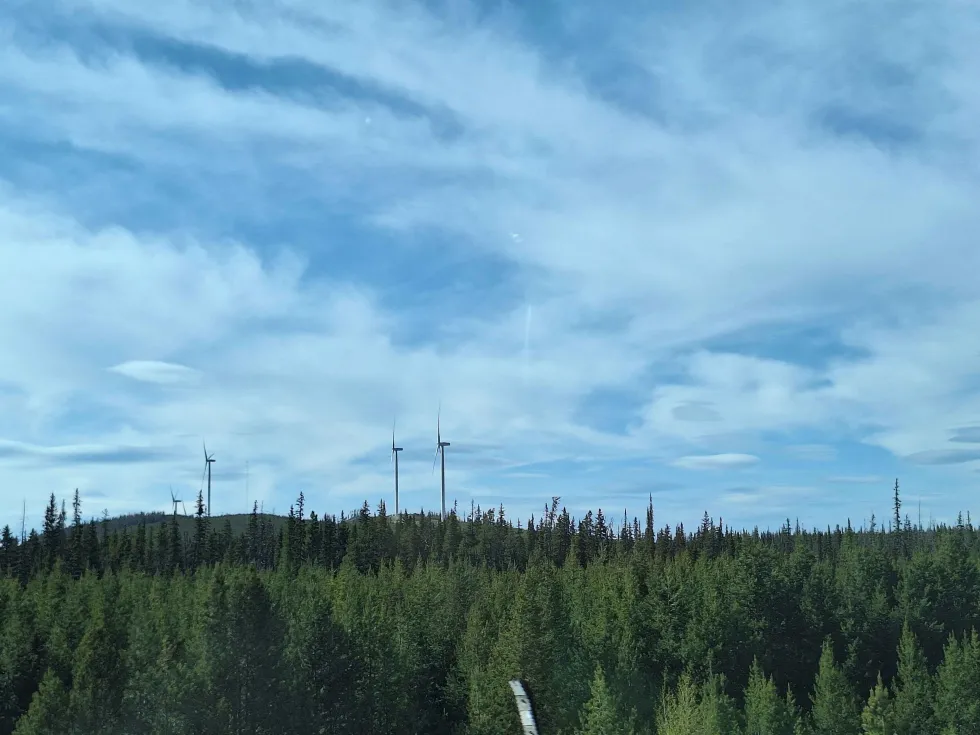
Boralis, with Calistian wind turbines in the distance
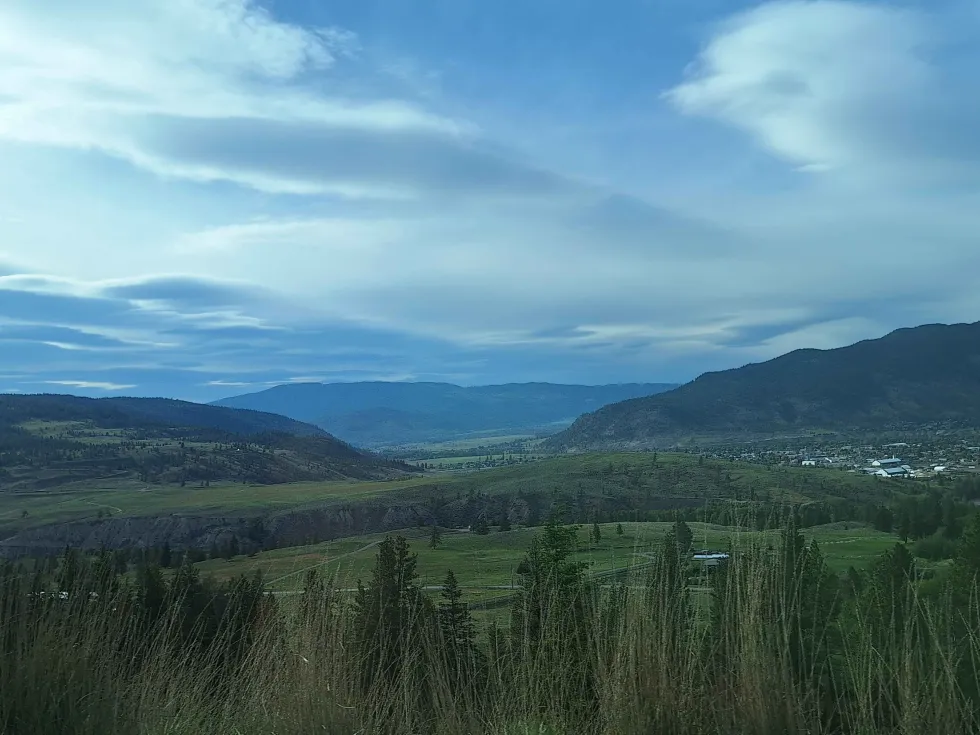
An area that has been cleared of some of its trees to accommodate a town
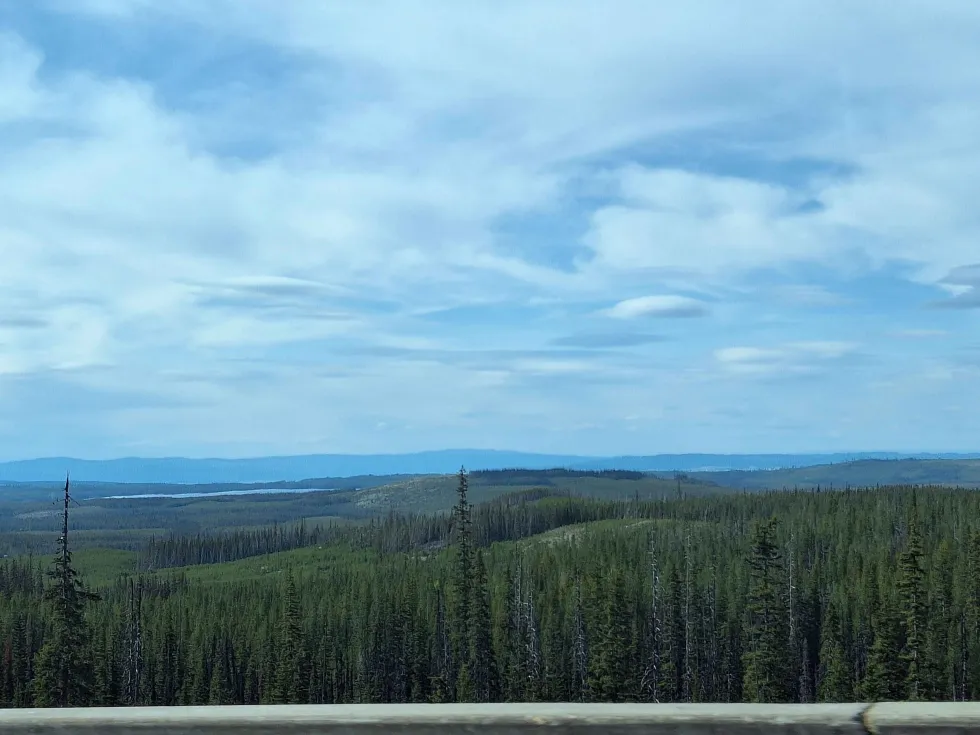
Boralis
The Forest Region
Boralis specializes in wood/lumber, renewable energy, and hydroelectricity. They export a lot oftheir goods for the purposes of construction. The region could almost be described as modest, because its citizens and government do not not go out of their way to put Boralis on the radar. Boralis is quite self-sufficient, and does the majority of their commerce with the neighbouring region of Calisty. They do not engage very deeply with the other regions unless they have to.
Mild climate, but depends on the area. Snows regularly in the northern parts of the region, with warm but not unbearable summers in the southern areas. The majority of the region is covered in thick forest comprised very often of evergreen trees.
Boralis, with Calistian wind turbines in the distance
An area that has been cleared of some of its trees to accommodate a town
Calisty
The Grasslands Region
Calisty specializes in food and farming, and has incredibly abundant natural resources. Due to its gentle hills and nutrient-rich soil, Calisty is able to grow a wide variety of crops to the highest quality, which they export to the other regions. Calisty also provides some of the finest animal produce to the other regions, as their abundance of land ensures the animals are well taken care of during their lifetimes.
Calisty is a very empathetic region, with much of its population practicing very spiritual beliefs and religions. They are connected to their land and are always the first to speak up when it comes to conservation and ecosystem issues. The citizens work their connection with the land into everything they do, and so Calisty's infrastructure is incredibly eco-friendly and carbon-positive or neutral. Calisty produces a large percentage of the food that feeds the other regions, so they are at the forefront of making sure humans and animals maintain a peaceful balance.

Grasslands/plains

Calisty has many lakes and ponds
Characters from Calisty
Jasmine
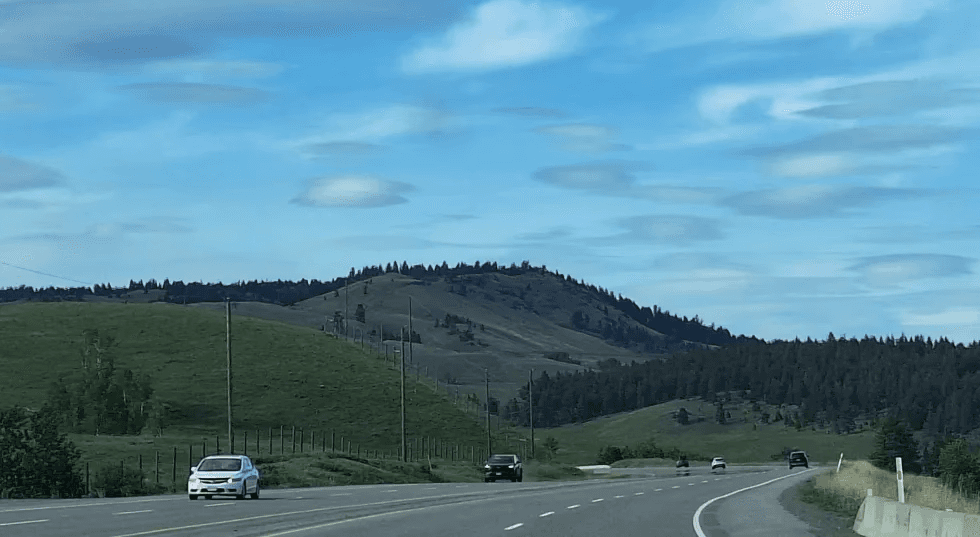
Terrain changes at the border between Calisty and Boralis
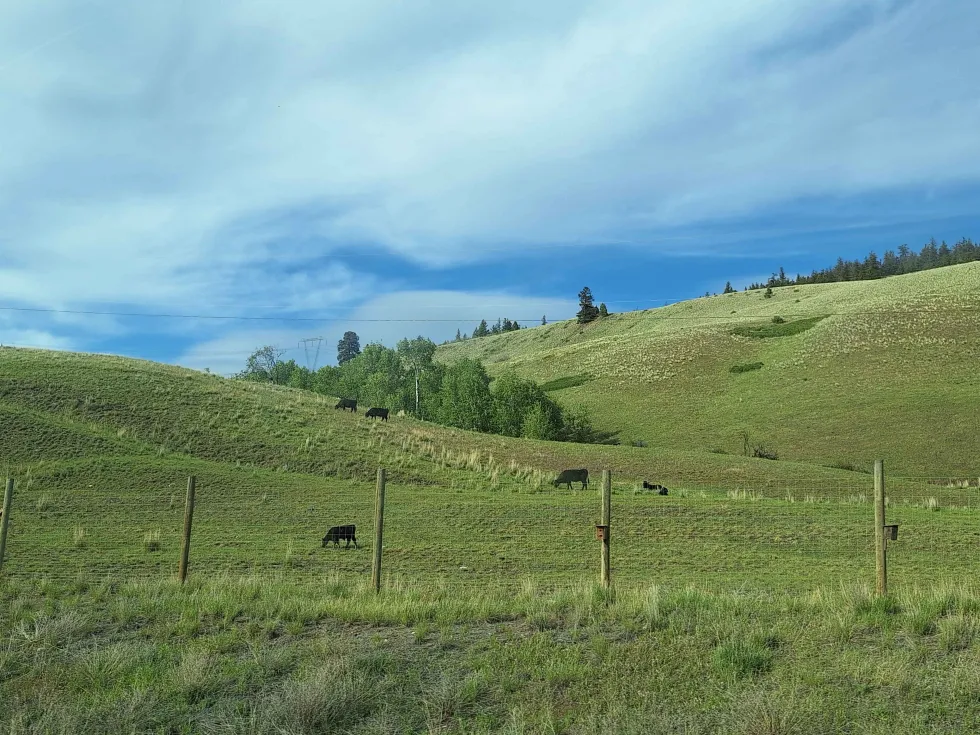
Calisty
The Grasslands Region
Calisty specializes in food and farming, and has incredibly abundant natural resources. Due to its gentle hills and nutrient-rich soil, Calisty is able to grow a wide variety of crops to the highest quality, which they export to the other regions. Calisty also provides some of the finest animal produce to the other regions, as their abundance of land ensures the animals are well taken care of during their lifetimes.
Calisty is a very empathetic region, with much of its population practicing very spiritual beliefs and religions. They are connected to their land and are always the first to speak up when it comes to conservation and ecosystem issues. The citizens work their connection with the land into everything they do, and so Calisty's infrastructure is incredibly eco-friendly and carbon-positive or neutral. Calisty produces a large percentage of the food that feeds the other regions, so they are at the forefront of making sure humans and animals maintain a peaceful balance.
Grasslands/plains
Calisty has many lakes and ponds
Characters from Calisty
Jasmine
Terrain changes at the border between Calisty and Boralis
Eubea
The Sea Region
Second only to the Capital, Eubea is the perfect place for a getaway. Full of tropical jungle, beaches, fishing, surfing, and nature adventures, Eubea flaunts a carefree population and plenty of outdoor activities. They specialize in seafood, fishing, water treatment, and hydroelectricity.
The climate is hot and pleasant for about two-thirds of the year, with the cooler months hardly ever reaching freezing and mainly bringing rain and sometimes hurricanes. The environment varies by location in the region, but is generally lush and green, with fine sand at beaches and large and smooth rocks at lakes.
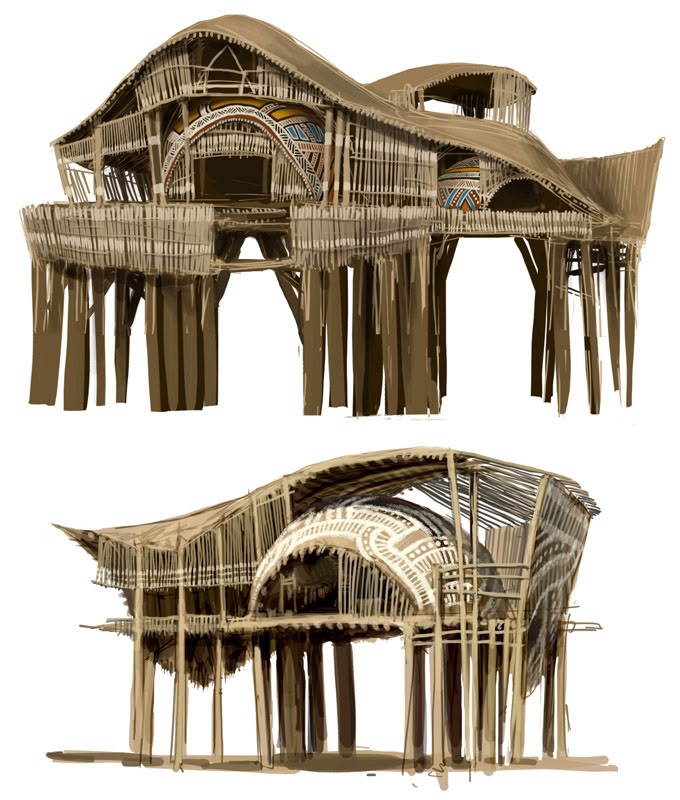
Eubea is renowned for its seafood, and lots of smaller villages make a living for themselves in rural waters that are good for fishing. Houses will often be built on stilts so that they can be built in the water itself or right by the shore, and although Eubea is very rich, these villages are among the poorest of the regions due to them being very remote.
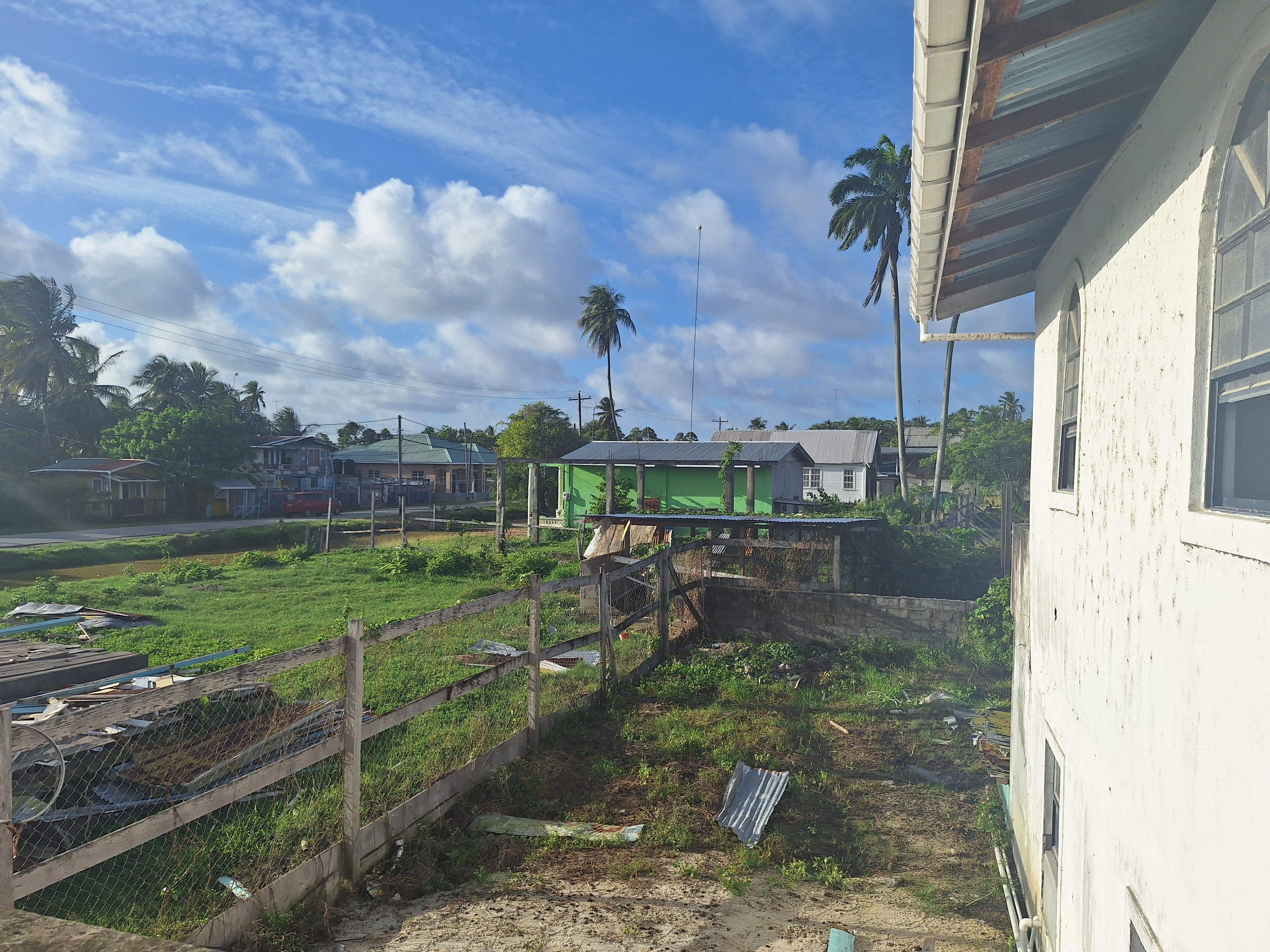

Surfing is a very common activity in popular tourist destinations

Northern Eubea, where the flora becomes less tropical

Eubea
The Sea Region
Second only to the Capital, Eubea is the perfect place for a getaway. Full of tropical jungle, beaches, fishing, surfing, and nature adventures, Eubea flaunts a carefree population and plenty of outdoor activities. They specialize in seafood, fishing, water treatment, and hydroelectricity.
The climate is hot and pleasant for about two-thirds of the year, with the cooler months hardly ever reaching freezing and mainly bringing rain and sometimes hurricanes. The environment varies by location in the region, but is generally lush and green, with fine sand at beaches and large and smooth rocks at lakes.
Eubea is renowned for its seafood, and lots of smaller villages make a living for themselves in rural waters that are good for fishing. Houses will often be built on stilts so that they can be built in the water itself or right by the shore, and although Eubea is very rich, these villages are among the poorest of the regions due to them being very remote.
Surfing is a very common activity in popular tourist destinations
Northern Eubea, where the flora becomes less tropical


Tarnora
The Stone Region
Tarnora mines ore, metals, precious stones, coal, crude oil, and natural gas to export to other regions. The region's mountain range is also popular for tourists and nature enthusiasts, offering skiing, nature sightseeing, and other outdoor activities.
Tarnora has the coolest climate of the regions and the least fertile land, being situated farther north and among rockier terrain. There are lots of mountains and valleys, and an average higher elevation than the other regions. Tarnora is habitable in about 60% of the region, but it's a little more difficult due to the rougher terrain causing towns to be more spread out, as well as the extreme weather in the winter. Tarnora experiences regular snow lasting from mid-fall to late spring.
Due to the uneven nature of the mountains, many small villages have sprung up in secluded valleys in Tarnora as a result of a more nomadic lifestyle centuries ago. The villages maintain old-fashioned and archaic ways of life due to their disconnect with the rest of the world, and their citizens are often undocumented. The villages are generally left alone as getting to them would be too costly and use up more effort and resources than would be gained from it. The majority of the Tarnoran population is situated in the southern parts of the region, as the mountains ease up and the snow is less extreme.
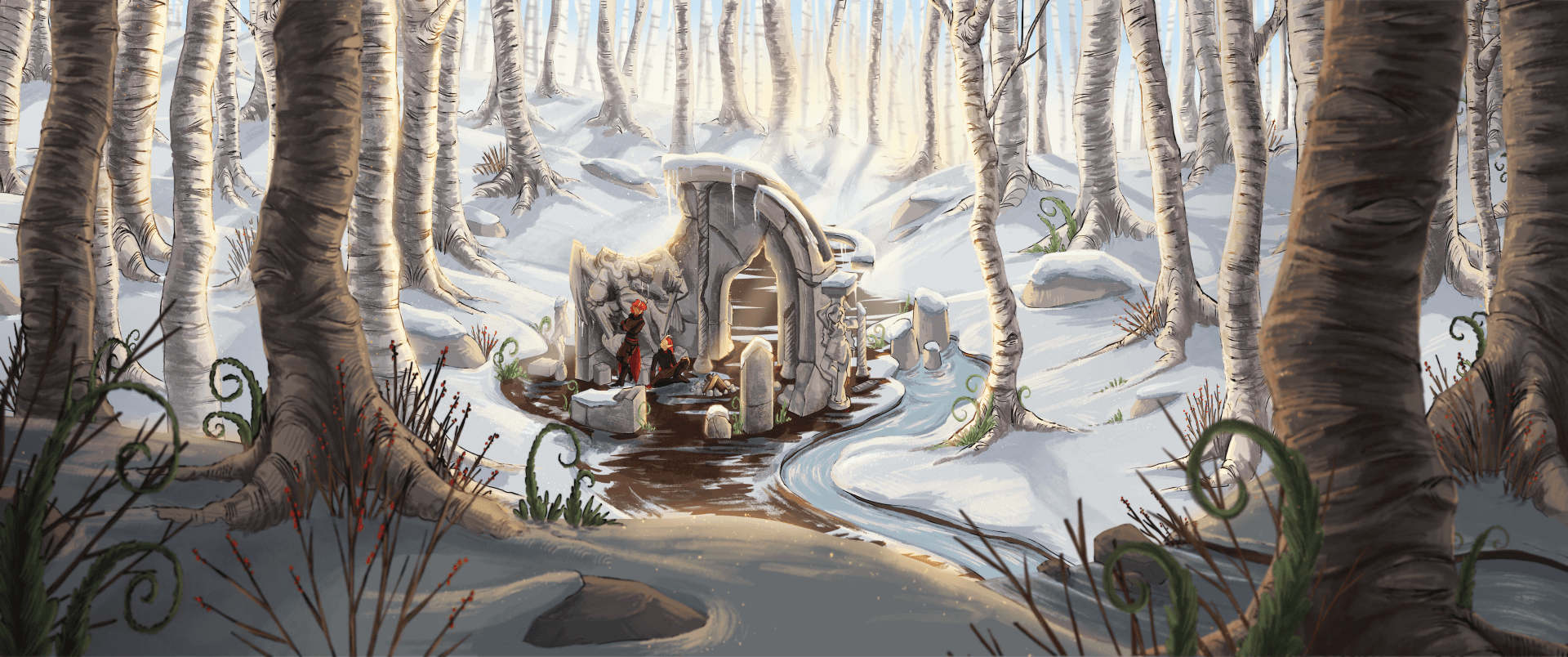
Characters from Tarnora
Keia, Heidi, Ronan

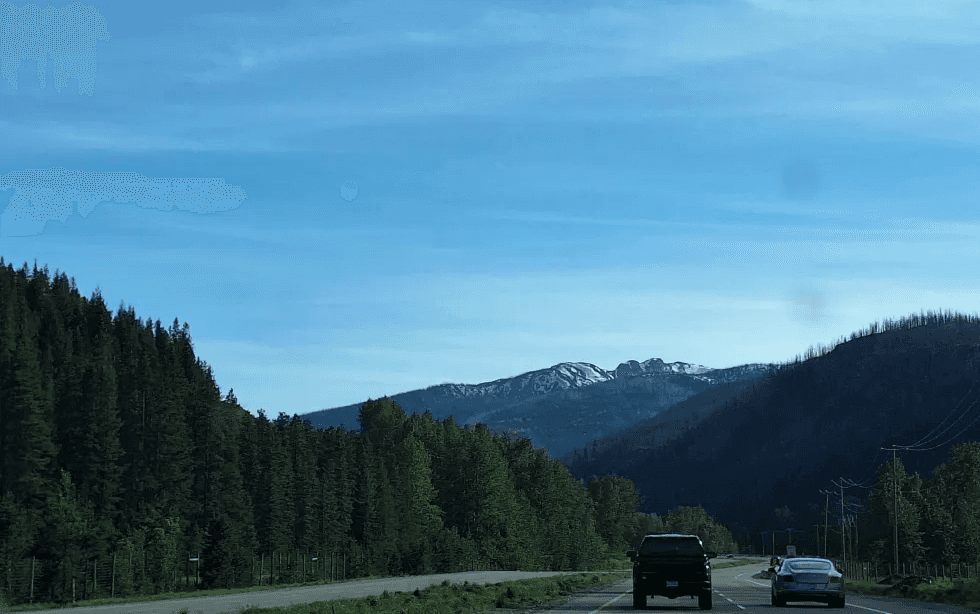
Tarnora in the distance, as seen from Boralis
Tarnora
The Stone Region
Tarnora mines ore, metals, precious stones, coal, crude oil, and natural gas to export to other regions. The region's mountain range is also popular for tourists and nature enthusiasts, offering skiing, nature sightseeing, and other outdoor activities.
Tarnora has the coolest climate of the regions and the least fertile land, being situated farther north and among rockier terrain. There are lots of mountains and valleys, and an average higher elevation than the other regions. Tarnora is habitable in about 60% of the region, but it's a little more difficult due to the rougher terrain causing towns to be more spread out, as well as the extreme weather in the winter. Tarnora experiences regular snow lasting from mid-fall to late spring.
Due to the uneven nature of the mountains, many small villages have sprung up in secluded valleys in Tarnora as a result of a more nomadic lifestyle centuries ago. The villages maintain old-fashioned and archaic ways of life due to their disconnect with the rest of the world, and their citizens are often undocumented. The villages are generally left alone as getting to them would be too costly and use up more effort and resources than would be gained from it. The majority of the Tarnoran population is situated in the southern parts of the region, as the mountains ease up and the snow is less extreme.
Characters from Tarnora
Keia, Heidi, Ronan
Tarnora in the distance, as seen from Boralis


The Capital
The Capital Region
The Capital handles all trading and takes care of the flow of imports and exports from other regions.
It is more or less geographically at the centre of all the other regions, and therefore acts as the "conductor" of everything. It makes sure each region does their job and meets the needs of the other four while keeping their own districts balanced.
The Capital specializes in services and entertainment, as it has no specific resource. It is situated with convenient access to all of the other regions, and right where the land is just about a mix of everything. It's an ideal place to live as the weather never gets too extreme and the ground contains a balanced blend of the natural resources available in bulk in other regions. These resources are tapped into in the Capital, but only in small amounts, as it's harder to separate one resource from another.
As a result of their abundance of variety but lack of specialization, the Capital offers tourist attractions, entertainment, a variety of shops and professions, and some of the most prestigious education in the world. Rich families from other regions will send their children to the capital's schools, and rich older couples will retire to the capital's picturesque homes later in life. Critics and less fortunate districts will often say the Capital doesn't contribute anything back to the regions, but it's usually those who have never experienced it themselves. The Capital's contribution to the regions is stability, a watchful eye, education, and governance.
The Capital is populated by mostly wealthy people and tourists. The cost of living long-term in the Capital is a little bit higher than average, so it generally attracts more well-off individuals who can afford the lifestyle. Unfortunately, due to its bustling cities and preoccupation with keeping everything in line, it is very easy to fall through the cracks in the Capital's social infrastructure, and so the Capital's slums and poorer areas are perfect breeding grounds for drug addiction and crime, especially with the Capital's access to all the other regions.
The Capital
The Capital Region
The Capital handles all trading and takes care of the flow of imports and exports from other regions.
It is more or less geographically at the centre of all the other regions, and therefore acts as the "conductor" of everything. It makes sure each region does their job and meets the needs of the other four while keeping their own districts balanced.
The Capital specializes in services and entertainment, as it has no specific resource. It is situated with convenient access to all of the other regions, and right where the land is just about a mix of everything. It's an ideal place to live as the weather never gets too extreme and the ground contains a balanced blend of the natural resources available in bulk in other regions. These resources are tapped into in the Capital, but only in small amounts, as it's harder to separate one resource from another.
As a result of their abundance of variety but lack of specialization, the Capital offers tourist attractions, entertainment, a variety of shops and professions, and some of the most prestigious education in the world. Rich families from other regions will send their children to the capital's schools, and rich older couples will retire to the capital's picturesque homes later in life. Critics and less fortunate districts will often say the Capital doesn't contribute anything back to the regions, but it's usually those who have never experienced it themselves. The Capital's contribution to the regions is stability, a watchful eye, education, and governance.
The Capital is populated by mostly wealthy people and tourists. The cost of living long-term in the Capital is a little bit higher than average, so it generally attracts more well-off individuals who can afford the lifestyle. Unfortunately, due to its bustling cities and preoccupation with keeping everything in line, it is very easy to fall through the cracks in the Capital's social infrastructure, and so the Capital's slums and poorer areas are perfect breeding grounds for drug addiction and crime, especially with the Capital's access to all the other regions.
Comments